 by
by From Kites to Comebacks: How Rs. 1 Billion in Sales Signals the Triumphant Return of Basant to Lahore
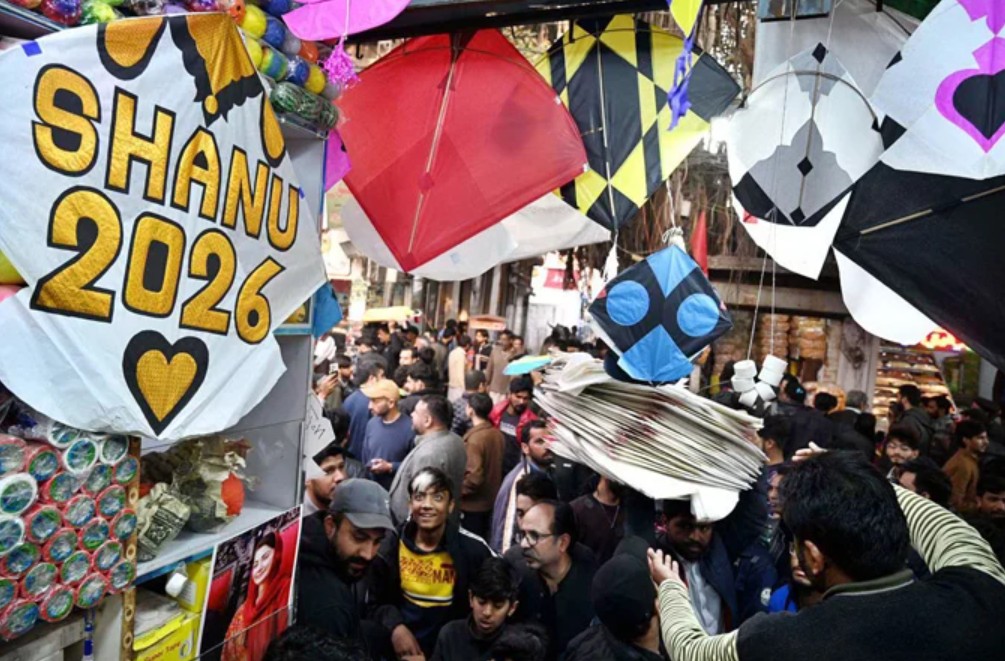
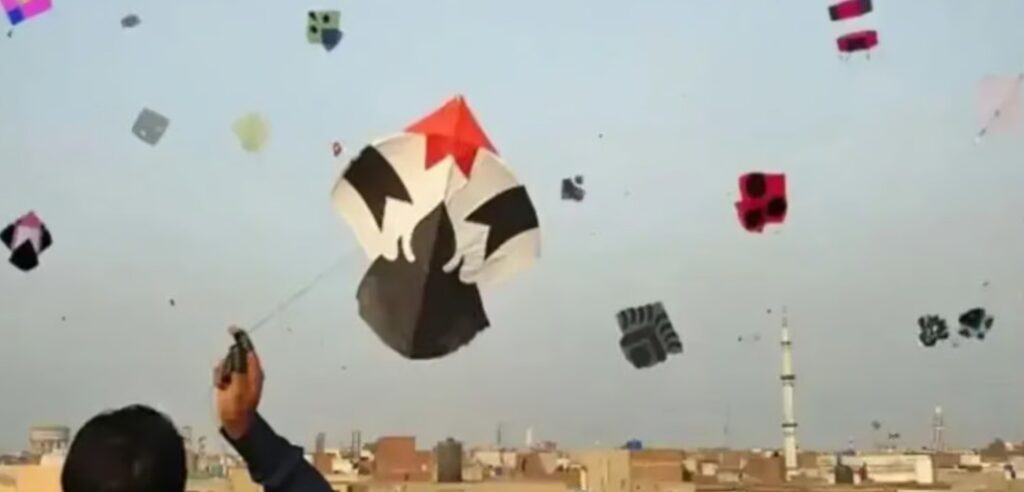
The Headline You Never Expected: In a single, glorious kite-flying season, Lahore’s skies didn’t just fill with color—they fueled an economy. Preliminary reports from kite manufacturers, wholesalers, and string sellers across the city point to a staggering Rs. 1 Billion in sales. This isn’t just a figure; it’s a seismic cultural and economic statement. Basant, the festival of spring long suppressed by a ban, has not just returned to Lahore—it has roared back with the force of a billion-rupee wind.
The Ground Zero of the Boom: Where Did This Billion Go?
This Rs. 1 billion isn’t an abstract number. It represents a vibrant economic ecosystem that sprang back to life:
- The Kite Artisans (The Guddi & Gudda Kings): Small workshops in old Lahore, like those in Baghbanpura and Shahdara, worked overtime. From simple paper kites to elaborate, competition-grade designs featuring tassels and intricate artwork, the sheer volume moved was unprecedented. A master kite-maker reported selling a season’s worth of stock in two weeks.
- The String Revolution (Dor & Manjha): The real engine of this boom. Modern, chemical-coated strings (manjha) are expensive. With fierce kite-fighting (paich larna) at the heart of Basant, enthusiasts invested heavily in high-grade, sharp string. Sales of protective gloves for string handlers also skyrocketed.
- The Informal Economy & Tourism: This billion largely circulates outside formal retail. It includes:
- Hotel bookings from Islamabad, Karachi, and overseas Pakistanis.
- Restaurant revenues (terrace bookings were sold out weeks in advance).
- Rooftop rentals in the Walled City.
- Sales for photographers, videographers, and social media influencers capturing the spectacle.
- Transportation—from rickshaw drivers to ride-hailing services.
Behind the Numbers: The Cultural Thaw
The Rs. 1 billion figure is powerful because it quantifies an intangible: irrepressible public demand. For over a decade, the ban on Basant, instituted due to fatal accidents caused by banned chemical strings and electrocution from power lines, created a cultural vacuum every spring. Lahore felt silent in February.
The massive sales signal a critical shift:
- A Managed Return: This season saw a significant, albeit controversial, government-led effort to regulate rather than eradicate. Designated flying zones, awareness campaigns on safe string, and stricter oversight of manjha content were attempted.
- A Public Reclamation: Lahore’s citizens voted with their wallets. The spending shows a collective decision to reclaim a heritage marker, to insist that the solution lies in safety and regulation, not prohibition.
- Nostalgia Monetized: For a generation that grew up with stories of Basant’s magic, this was their first chance to live it. Their spending power fueled a significant portion of the boom.
The Shadow Behind the Celebration: Caveats and Concerns
The billion-rupee celebration cannot ignore the sobering headlines that also emerged:
- The Human Cost: Tragically, deaths and severe injuries from chemical manjha and electrocutions continued. This is the darkest counterpoint to the economic boom.
- Regulation vs. Reality: The sale of deadly, banned string persisted in a black market, proving that economic opportunity can outpace enforcement.
- A Question of Access: Did this become a festival for the rooftop elite, or did the joy—and the economic benefit—truly filter down to the streets?
The Road Ahead: Beyond the Billion
The Rs. 1 billion season is a proof of concept. It demonstrates that Basant is a powerful cultural and economic engine. The challenge now is to channel this energy sustainably:
- Innovate for Safety: Massive investment in and promotion of safe, biodegradable, and non-conductive kite string. Can Lahore become a hub for “Safe Flying Tech”?
- Formalize the Industry: Bring kite and string manufacturing into regulated, safe environments, creating legitimate jobs and quality control.
- Zero-Tolerance on Banned Manjha: The economic argument must bolster, not hinder, the safety imperative. The industry’s survival depends on it.
- A Festival of Lahore: Structure it like major global festivals—with designated areas, ticketed concerts, craft fairs, and cultural exhibits, turning it into a controlled, safe, and even more lucrative international tourism event.
Conclusion: More Than Money, It’s About Identity
The Rs. 1 billion in kite sales is a powerful metric, but its true value is symbolic. It is Lahore’s economy singing in unison with its soul. It is a demand for joy, for color, for spring. It proves that culture, when authentically felt, is a formidable economic force.
The message from the rooftops of Lahore is clear: Basant is back. The task for the city now is to ensure it returns not with the peril of the past, but with the promise of a safer, more vibrant, and economically thriving future. The sky is no longer the limit—it’s the canvas.
